Factory and Industrial Pest Control Services in Rajasthan
Serving factory and industrial premises across Rajasthan with inspection-led pest-management discussions.
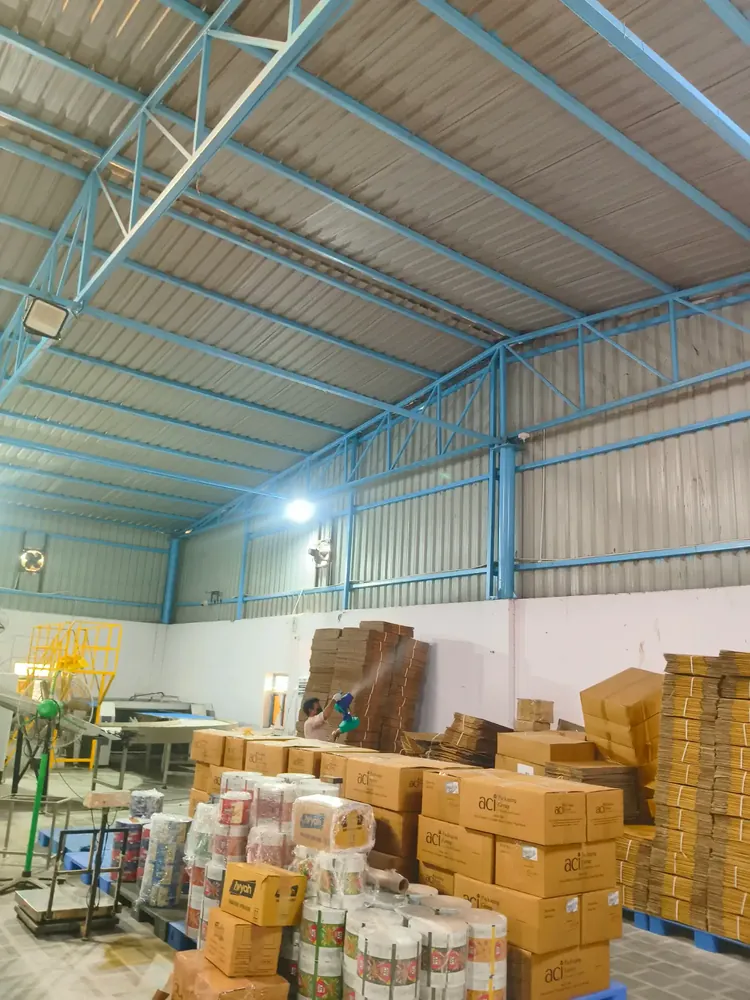
Manufacturing Plants, RIICO Units & Industrial Facilities We Serve
Factories and industrial sites include production areas, stores, utilities, staff facilities and building perimeters. Super Pest Control Services serves industrial premises across Rajasthan. A useful request identifies where pest activity has been seen, what operations take place nearby and which access or shutdown constraints need to be considered.
Critical Pest Risks in Factory Floors, Utility Ducts & Raw Material Stores
Rodents can be a concern around stock, waste, cable routes, loading access and building edges. Cockroaches or flies may be reported in welfare, drainage or food-service areas. Termite or wood-borer signs can affect building materials or stored timber and require identification before a treatment is chosen. Different signs call for different inspections; industrial size alone does not determine the method or scope.
Coordinating Pest Treatments Around Shift Schedules & Plant Operations
A production site may have shift changes, controlled areas, machinery, contractors and goods movement. Identify the site contact and any induction or access requirements before confirming a visit. The service scope should state which locations are included and how nearby work will be coordinated. Do not assume machinery can remain operating during treatment or that an entire plant must close; the technician should explain the constraints for the chosen service.
Site Inspection, Rodent Bait Mapping & Custom IPM Planning
Share a site plan or describe the relevant production line, storage zone, utility route or perimeter when discussing an inspection. Record the type of sign and its location, and distinguish current evidence from older reports. The technician can assess accessible areas and discuss whether rodent management, termite control, wood-borer control, fly management or another existing service fits the site.
The technician can explain the proposed scope, preparation, any access restriction and the instructions that apply after the selected service. The team should confirm those details before work is agreed; they are not identical for every property or pest.
Non-Disruptive Service Timing & Shutdown Window Coordination
Coordinate access around production and shift schedules, but do not schedule work until any safety or isolation needs are understood. Make the relevant operating contact available to explain site rules and affected processes. After service, follow any restricted-area, cleaning or re-entry instructions. Site-specific operating procedures remain the responsibility of the facility and should be coordinated with the service provider.
Where a treatment cannot be coordinated safely with the operating schedule, discuss a different access window before confirming the appointment. A timing request is not a promise of a particular slot or uninterrupted operations.
Structural Proofing, Exclusion & Preventive Follow-Through
Maintenance of doors, service penetrations and storage practices can support pest exclusion. Keep waste handled as intended by the site's procedures and report leaks or damaged building fabric to the responsible staff. Monitoring records can help review repeat activity and corrective actions. These practical measures should be coordinated with the facility's own operating procedures.
After a visit, use the service-specific aftercare instructions and tell the provider if activity continues. Monitoring and a follow-up visit should be confirmed for the selected service rather than assumed from a general industry description.
Worker Safety, PPE Standards & Non-Contaminating Formulations
Before treatment, disclose who uses the affected area, whether children or pets may be present, and any relevant site sensitivities. Protect food, equipment, personal belongings or stored goods as instructed for the chosen treatment. Keep people away from treated areas for the period specified by the service team and follow its re-entry, ventilation and cleaning guidance. There is no single safety procedure that applies to every pest or product.
Scheduled Industrial AMC Visits, Trend Logs & Audit Documentation
Businesses can ask about Commercial AMC (IPM) for Rajasthan premises. The existing service describes planned visits, monitoring and records. Ask which pests, locations, response arrangements and documents are included in the proposed written scope. Contract terms and follow-up depend on the agreed service and should be confirmed in writing.
Building a Complete Pest Control Record Trail for Quality Audits
Industrial premises often have several people who may notice or respond to pest activity: operators, maintenance staff, cleaners, security and warehouse teams. Agree on a straightforward internal route for reporting a sign, identifying the affected zone and notifying the person responsible for follow-up. Pest-service notes can then be reviewed alongside the site’s maintenance and sanitation records. Keep observations separate from conclusions until the evidence has been assessed.
For a food-manufacturing area, HACCP implementation support may include reviewing how pest-control responsibilities and service information fit into the operator’s documentation. It does not substitute for the facility’s own hazard analysis, controls or approval process. Confirm who is authorized to assess information, approve a change and keep the relevant food-safety documents current. The procedure should reflect the plant’s actual products and processes rather than a generic template.
Audit preparation is a review, not certification
A preparation session can organize available pest-control records, note open corrective actions and identify questions for the facility to verify against its current procedures. A mock audit or gap analysis should be treated as a working discussion, not an official inspection or a guarantee of a result. FSSAI licence or registration assistance may help organize application information; the relevant authority alone makes the licensing decision. Any HACCP certification, if pursued, is issued by an accredited certification body.
Before requesting support, prepare the plant’s site contact, operating constraints, current pest-service scope and any document-control rules. See rodent management for industrial areas, commercial pest-management options, and commercial pest-management planning for related service information.
Questions for site coordinators
Who is responsible for approving pest-related HACCP documentation?
The food-business operator retains responsibility for its hazard analysis and document approvals. A pest provider can discuss the service information it supplies, but it cannot approve the plant’s food-safety system.
Does a mock audit confirm that the plant meets every requirement?
No. It can help surface documentation questions or gaps for the operator to verify; it is not a regulator’s inspection, certification decision or compliance guarantee.
Related Industrial Fumigation, Rodent & Termite Services
Depending on the assessment, these existing services may be relevant:
Industrial Belts & Rajasthan Districts We Serve
Explore district coverage and the approved customer-type pages. City-specific service pages describe the verified service area and link back to this customer overview.
- Pest Control Services in Alwar
- Pest Control Services in Bhilwara
- Pest Control Services in Jaipur
- Pest Control Services in Jodhpur
- Pest Control Services in Kota
- Pre-construction anti-termite treatment in Jaipur
- Wood borer control and fumigation for furniture and handicraft units in Jodhpur City
- Factory and industrial pest control in Matsya Industrial Area
- Factory and industrial pest control in Kota City
- Textile factory pest control in RIICO Industrial Area
राजस्थान में फैक्ट्री और इंडस्ट्रियल पेस्ट कंट्रोल सेवाएं (Industrial Pest Control)
सेवा का सही तरीका परिसर और कीट की स्थिति देखकर तय किया जाता है। निरीक्षण से पहले प्रभावित जगह, गतिविधि का समय और परिसर के कामकाज की जानकारी साझा करें।
प्रश्न: उपचार से पहले सुरक्षा निर्देश कैसे जानें? चुनी गई सेवा और परिसर के लिए टीम से स्पष्ट निर्देश लें।
Frequently Asked Questions About Factory & Industrial Pest Control
How should a factory prepare for an inspection?
Nominate a site contact, identify locations and signs, and share access, induction and operating constraints.
Can treatment be scheduled around production shifts?
Discuss the operating schedule; timing depends on access and the treatment's safety requirements.
Which service applies to rodent activity in a plant?
The team can assess the signs and discuss Rodent Management and relevant exclusion measures.
Can a technician assess timber damage?
Yes. Describe the signs so the team can consider whether termite or wood-borer inspection is appropriate.
Are production lines treated by default?
No. The inspection and written scope determine which areas are included.
Can a factory arrange scheduled visits?
Ask about Commercial AMC (IPM) and confirm the frequency, included services and documentation in the proposal.
Book an On-Site Industrial Pest Audit for Your Facility
Share the property type, reported pest signs, affected area and access requirements with Super Pest Control Services.
Contact Super Pest Control ServicesCall +91 98280-66990