Commercial Fumigation Services for Warehouses & Commodities in Rajasthan
Controlled, professional fumigation for warehouses, godowns, grain stores, food units and cargo.
Controlled Gas Fumigation for Stored Grain, Timber & Commercial Structures
Stored grain, packaged food, spices, textiles and timber can be damaged by insects that ordinary surface spraying may not reach. Fumigation uses a gas in a properly sealed space to control pests inside stacks, bags and structural cracks. Super Pest Control Services provides commercial fumigation for warehouses, godowns, cold stores, mills, food factories, farms and export cargo across Rajasthan.
What Is Commercial Fumigation and When Is It Required?
Fumigation is a specialist pest-control method that uses a fumigant in a sealed space to control insects and other pests at different life stages, including eggs, larvae, pupae and adults. The gas can reach pests hidden deep within stored goods and enclosed structures where sprays or dusts may not reach.
Fumigation is a high-risk process because fumigants are hazardous. It must only be performed by trained, experienced operators following applicable safety rules. Never attempt fumigation yourself.
Stored-Product Pests, Weevils, Beetles & Wood Borers Controlled by Fumigation
- Stored grain pests: rice weevils, red flour beetles, lesser grain borers, khapra beetles and grain moths.
- Pests in pulses, spices and dry fruits: beetles, moths and mites, depending on product and treatment suitability.
- Pests in flour, rice and packaged food units.
- Wood-boring insects in timber, wooden pallets and packing materials, where fumigation is suitable.
- Termites and borers in structures or stored wood, where the method is appropriate.
- Other hidden pests in some enclosed storage situations, following inspection and method assessment.
- Pests in cargo, containers and packaging materials.
Warning Signs Your Warehouse, Mandi Lot or Timber Stock Needs Fumigation
- Live insects, webbing or larvae in stored grain, flour or food items
- Weight loss, caking, unusual smell or heating in stored stock
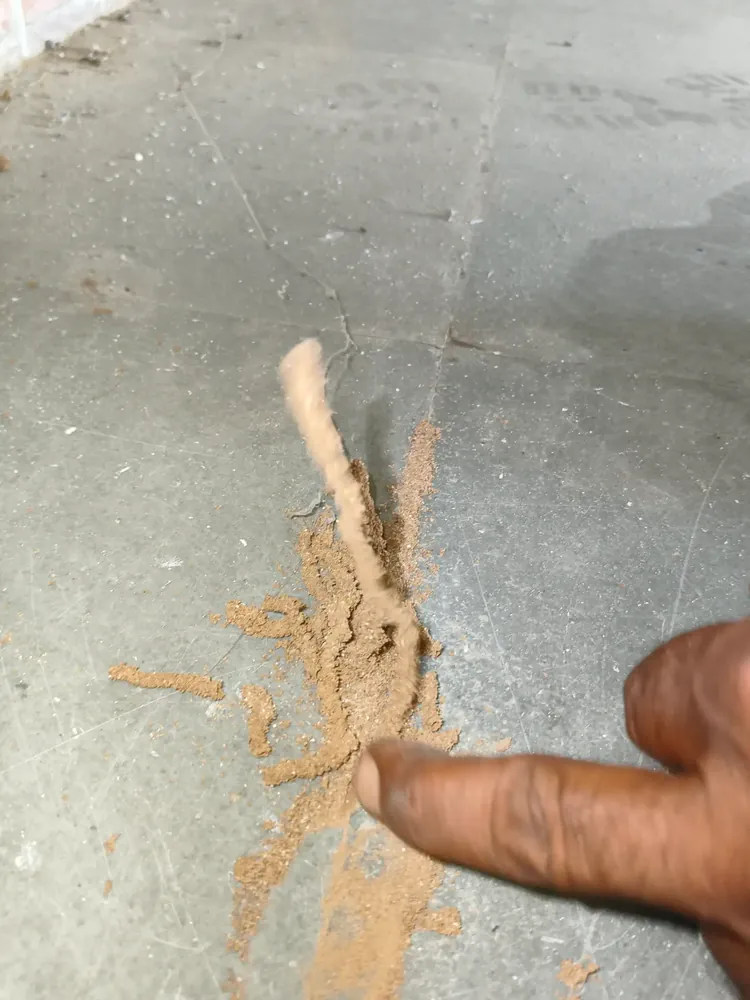
- Insect damage or fine dust in bags and packaging
- Pests found in containers, pallets or export cargo
- Repeated infestation despite routine surface treatment
- Customer or audit complaints about pests in products
- A new storage season beginning or old stock being moved
Our Fumigation Capabilities: Stack,Tarpaulin, Godown & Container Treatments
Each job is assessed individually. We confirm whether fumigation is suitable for the space, commodity and operating requirements before quoting.
Warehouse and godown fumigation
Planned treatment for storage spaces and stacked goods where hidden pests require a whole-space approach.
Stored grain and commodity fumigation
Assessment and treatment planning for wheat, rice, pulses, oilseeds, spices and other stored products.
Food factory and mill fumigation
Planning for flour mills, rice mills, spice units, dal mills and food-processing plants around production schedules.
Container and cargo fumigation
Treatment planning for export and import containers and packed cargo, as required.
Timber, pallet and packaging fumigation
Suitable treatment planning for timber, wooden pallets and packing materials.
Structural fumigation
Where appropriate, enclosed buildings or structures with serious hidden infestations can be assessed and planned.
Fumigation and follow-up monitoring
After treatment, we review the site and advise on sanitation, stacking, monitoring and preventive measures.
Step-by-Step Commercial Fumigation Sealing, Exposure & Aeration Process
Every step is planned around the site, stock, applicable requirements and safe clearance before re-entry.
Site inspection
We check storage, stock, pest activity, sealing conditions and site-specific risks.
Fumigation plan
We select a suitable method and plan, then explain scheduling, preparation and safety requirements.
Preparation and sealing
The area or stack is prepared and sealed using suitable gas-resistant sheeting or other sealing methods.
Controlled application
Trained operators apply the fumigant using appropriate equipment, warning signs and restricted access.
Exposure period
The area remains sealed for the planned exposure period. The schedule is confirmed for the specific treatment.
Aeration and clearance
After exposure, the area is ventilated and checked by trained operators. It is cleared for re-entry only when safety requirements are met.
Report and advice
We provide a treatment record and recommendations to reduce re-infestation risk.
Strict Gas Monitoring, Warning Signage & Technician Safety Protocols
Fumigants are hazardous. Fumigation must only be carried out by trained, experienced operators under controlled conditions.
- Only trained operators handle the fumigation process.
- Warning signs and restricted entry are maintained during treatment.
- Sealing and exposure are planned for the site and commodity.
- Gas levels are checked before the area is cleared for re-entry.
- Residues and materials are handled according to applicable safety requirements.
- Staff receive clear instructions before, during and after the work.
Never enter a fumigated area until our operators have declared it safe.
Industries We Serve: Grain Mandis, Agro-Warehouses, Handicrafts & Mills
Warehouses, godowns and cold stores
Stored products, packaging and enclosed storage areas.
Grain, rice, dal and flour mills
Commodity storage, processing and packing areas.
Food processing and packaging units
Site-specific planning around products and operations.
Spice, dry fruit and tea businesses
Stored commodities and related packaging.
Agri-commodity traders and mandis
Storage areas and commodity lots.
Exporters and importers
Cargo and container treatment planning.
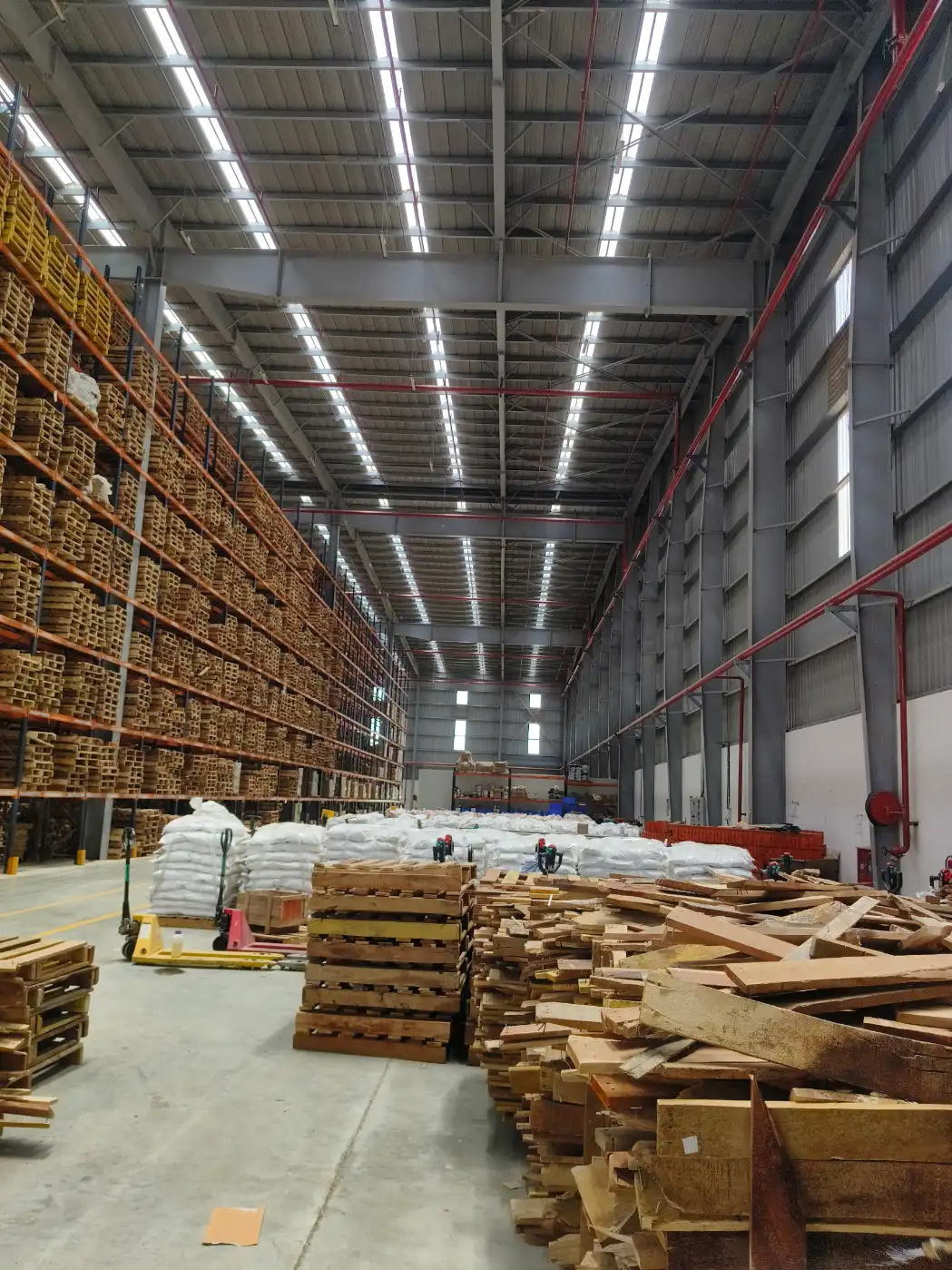
Furniture, plywood and timber units
Timber and wooden packaging, where suitable.
Textile and garment stores
Enclosed storage and stock protection planning.
Pharmaceutical and FMCG storage
Site and product suitability is reviewed before treatment.
Farms, seed stores and gaushalas
Storage and enclosed areas are assessed individually.
Why Warehouses and Exporters Trust Super Pest Control Services
Experienced fumigation team
Trained operators assess each site and plan treatment around its requirements.
Careful treatment planning
Sealing, exposure and clearance are planned for the selected method and stock.
Safety-first process
Restricted access, ventilation and checks are part of clearance before re-entry.
Complete service
Inspection, fumigation, aeration and a treatment report.
Rajasthan-wide service
We serve Jaipur, Jodhpur, Udaipur, Kota, Ajmer, Bikaner, Alwar, Bharatpur, Sikar, Pali and other districts.
Flexible scheduling
We coordinate with your operating schedule to help reduce business interruption.
Clear pricing
You receive a quote before work begins, with no hidden charges.
AMC and seasonal plans
Monitoring and preventive plans are available for warehouses, mills and food units.
Treatment records
Service records are provided for audit and documentation needs.
Commercial Fumigation vs. Surface Spraying: Understanding the Difference
| Feature | Regular pest control | Fumigation |
|---|---|---|
| Method | Spray, gel, dust or bait | Gas in a sealed space |
| Reach | Surfaces, cracks and visible areas | Inside stacks, bags, goods and enclosed structures |
| Best suited to | Homes, offices and routine control | Stored grain, warehouses, cargo and serious hidden infestations |
| Who performs it | Trained pest-control technicians | Specially trained fumigation operators |
Post-Fumigation Sanitation & Proofing to Prevent Re-Infestation
- Clean storage areas before placing new stock.
- Remove spilled grain, waste and damaged bags.
- Keep storage dry and well ventilated.
- Stack goods away from walls and off the floor.
- Check stock regularly for insects, webbing and unusual smells.
- Use first-in, first-out stock rotation.
- Seal cracks and gaps in godowns and cover doors and windows.
- Schedule preventive pest control and fumigation as needed.
Mandi Towns, RIICO Zones & Districts We Serve Across Rajasthan
We provide commercial fumigation across Rajasthan. Select a district to view its local service areas.
Staff Safety Briefings & Storage Hygiene Coordination
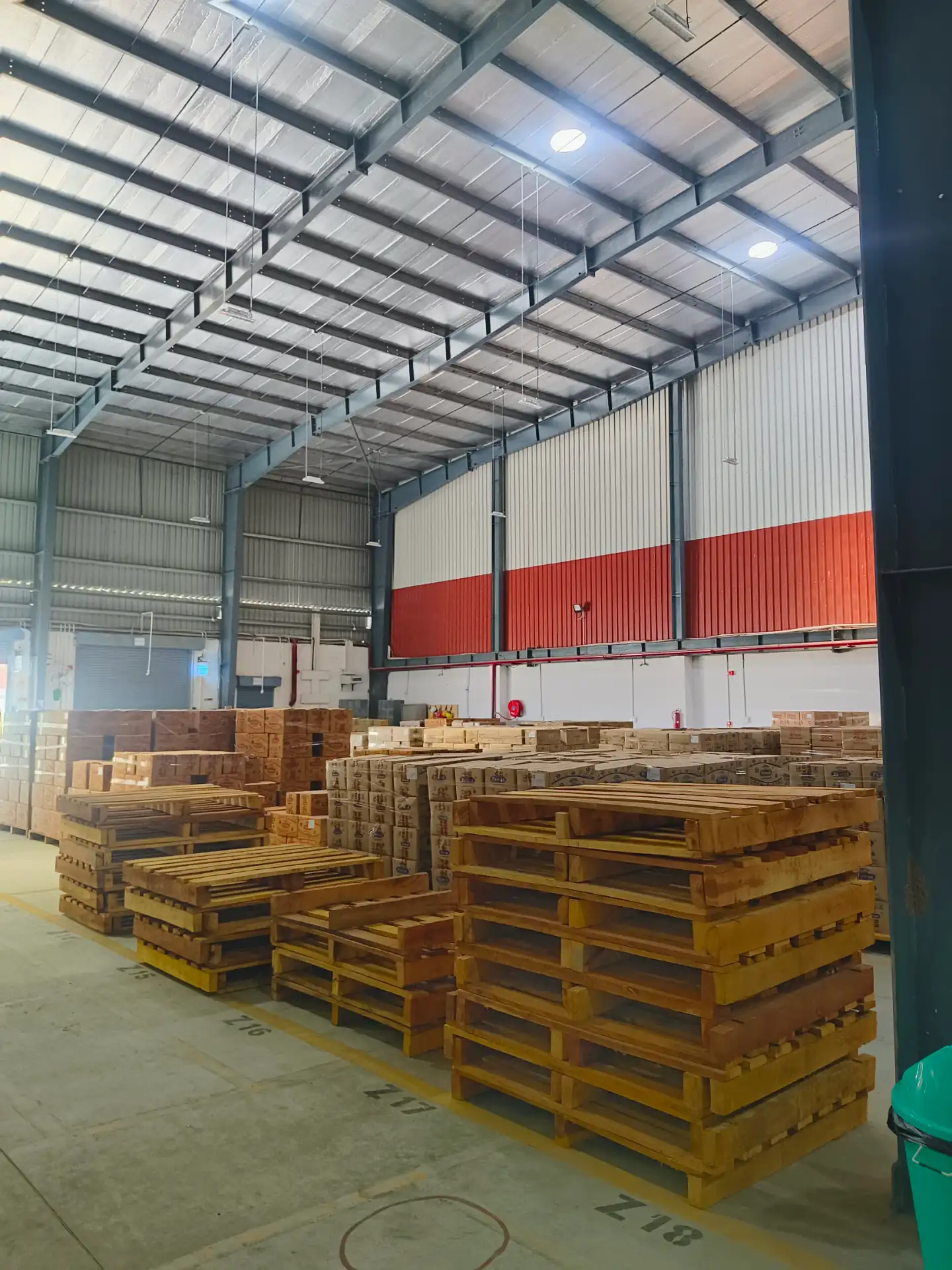
Integrating Fumigation Records into Food-Safety & Warehouse Audits
Food factories, mills and commodity businesses may have a HACCP-based food-safety system in addition to their pest-management work. During planning, identify which stored products and areas fall within the fumigation scope and how that work relates to the operator’s documented controls. The company can discuss the information it provides about its own service, but the food business remains responsible for its hazard analysis, procedure approvals and decisions about stock.
Where FSSAI requirements apply to the operation, the site should verify current official guidance for its specific activity. A pest-control programme can be discussed as one part of the operator’s food-safety arrangements; it is not proof that every requirement has been met. Super Pest Control Services does not issue FSSAI licences or HACCP certificates. The competent authority makes licensing decisions, and formal certification is handled by an accredited certification body.
Food-site hygiene or sanitation SOPs should make the responsibilities around receiving, storage, cleaning and access clear to the people who perform those tasks. Any changes related to fumigation must be reviewed alongside the treatment plan and the site’s own instructions; do not substitute a generic template for product-specific or service-specific precautions. Confirm who can approve a change and who communicates it to workers.
Staff food-safety training can help workers recognize whom to notify about damaged packaging, unusual pest signs or a restricted area, without asking them to handle fumigants or enter a sealed space. The operator should determine how this awareness fits its own existing training and document process. Related information is available for warehouse and godown pest management, food-service pest control and factory pest planning.
Questions for food and commodity operators
Does fumigation itself certify a food-safety system?
No. Fumigation is a pest-control service, not HACCP certification or a decision about regulatory compliance.
Can fumigation procedures replace a site’s hygiene SOPs?
No. The operator’s procedures remain in force and should be coordinated with the specific treatment instructions.
Frequently Asked Questions About Commercial Fumigation in Rajasthan
What is commercial fumigation?
It is a specialist treatment that uses a gas in a sealed space to control insects and pests at different life stages, including those hidden inside stored goods and structures.
Which places need fumigation?
Warehouses, godowns, grain stores, mills, food factories, cold stores, containers and cargo may need fumigation, especially where stored products have repeat infestations.
Is fumigation safe?
Fumigation is safe only when trained professionals follow strict safety requirements. Fumigants are hazardous, so never attempt it yourself. We restrict access, ventilate and check the area before clearing it for re-entry.
How long does fumigation take?
Timing depends on the space, stock and treatment plan. The sealed exposure period may run for a few days, followed by ventilation. We provide the schedule after inspection.
Can stored grain be used after fumigation?
Stock can be handled or used only after required ventilation and clearance steps are complete. We explain the waiting period and product-specific instructions.
Will fumigation damage my goods?
Suitability depends on the product and method. Tell us about your stock, such as spices, seeds or packaged goods, so we can assess treatment and explain precautions.
Does fumigation prevent pests from coming back?
Fumigation controls pests present during treatment. Cleaning, good stacking, moisture control and regular monitoring or preventive treatment help reduce re-infestation.
Do I need to empty the godown before fumigation?
Not always. Depending on the method and stock, treatment may be planned with goods in place. Our team will advise on preparation after inspecting the site.
Do you fumigate containers and export cargo?
Yes. We can discuss container, pallet and cargo treatment requirements. Share the cargo details and destination requirements before booking.
How much does commercial fumigation cost in Rajasthan?
The price depends on volume or area, stock type, treatment method and infestation level. We provide a clear quote after a site inspection.
Do you offer an AMC for warehouses and mills?
Yes. Regular and seasonal plans can combine monitoring, preventive treatment and fumigation when needed.
Request a Commercial Fumigation Site Assessment & Quote Today
Protect your stock from hidden pests. Call or message us to schedule a site inspection and receive a clear quote.
Book Your Free Site InspectionRelated Rodent Management, Warehouse IPM & Wood Borer Services
Explore related pest-management services from our team.