Termite Piping (Reticulation) System Installation in Rajasthan
A termite piping system is a planned network installed during construction so treatment can later be introduced at selected foundation or plinth locations through accessible ports. It is an option to discuss with the architect and builder before floors and surrounding finishes close access. Super Pest Control Services serves construction projects across Rajasthan. Suitability, layout, installation and future recharge depend on the building design, the selected system and site-specific instructions.
What a Termite Piping System Is—and How It Prevents Future Floor Drilling
A termite piping system is a built-in route intended to make future treatment of selected soil or foundation zones more accessible. Depending on the system design, pipe runs may be placed around a foundation or plinth and at specified junctions, with access points positioned so a qualified service provider can introduce a suitable treatment later. The details vary by building and system; a generic layout cannot replace drawings, installation instructions or an inspection.
The pipe network is not a stand-alone guarantee, a substitute for sound construction detailing or a way to avoid all future termite inspections. It does not make a finished building permanently protected without maintenance. It must be designed and installed correctly, remain accessible and be recharged only when appropriate and according to the system and product instructions. A piping option is mainly considered while the building is under construction, before relevant routes and ports are concealed.
How Porous Reticulation Piping Differs from One-Time Soil Spraying
Standard pre-construction anti-termite treatment is performed at accessible construction stages to treat specified soil interfaces. Once those interfaces are covered, they cannot be recharged through a dedicated network unless one was planned and installed. A termite pipe system adds a designed route and access ports for possible later recharge. That distinction is about access and future maintenance, not proof that one option is automatically more effective for every building.
Planned ports may offer future access without opening finished floors, but soil conditions, foundation geometry, landscaping and service routes affect design. Compare installation scope and recharge terms with the provider.
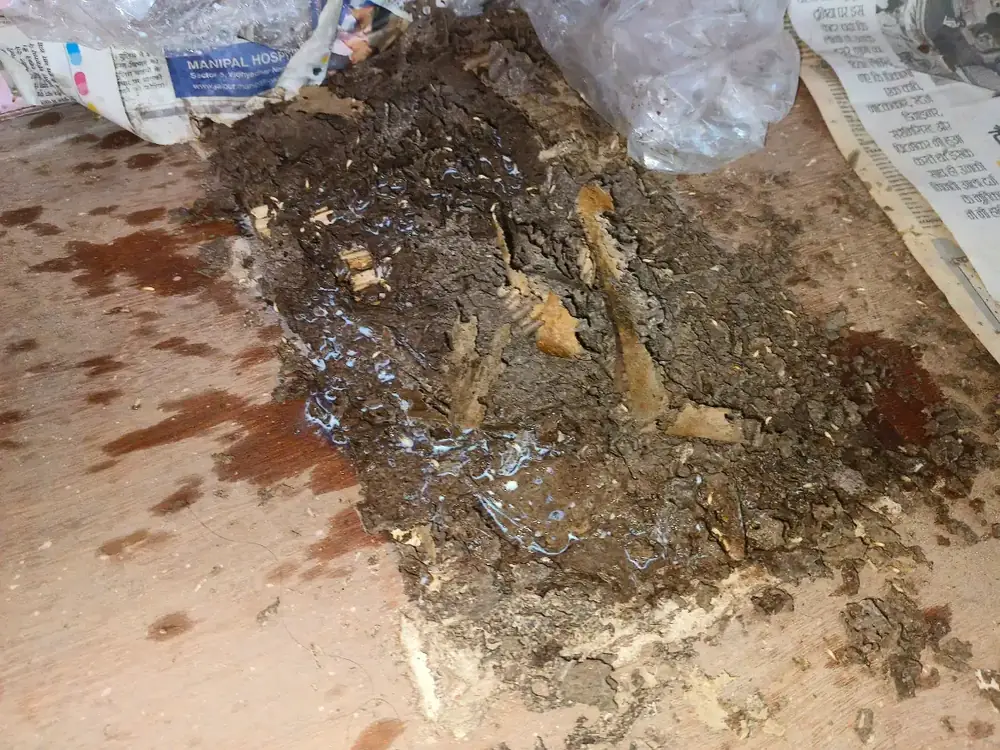
Villas, Bungalows, Hotels & Commercial Buildings That Benefit Most from Piping
The system is most relevant to new homes, villas and other buildings where the foundation and plinth remain accessible and the owner can coordinate pipe routes with construction drawings. Builders may consider it as an option to discuss with clients, but should not describe it as included unless the written construction scope actually includes installation. Architects and site engineers can identify service conflicts, accessible locations and details that should be resolved before pipes are fixed.
Existing buildings without ports need an inspection for post-construction termite control.
Designing and Laying the Sub-Floor Pipe Network with Your Civil Team
Planning begins with the foundation plan, plinth perimeter, wall-floor junctions and the location of structural and service elements. The provider and project team identify where pipe runs may be appropriate, which route avoids conflicts with plumbing or electrical work, and where ports can remain reachable after paving or landscaping. The designer or builder needs to verify that a proposed route does not compromise construction details or interfere with other building systems.
Protect and identify ports before concealment, record layout changes and follow the selected system instructions. Pipe spacing and port counts are not universal.
How External Junction Boxes Work for Periodic Chemical Recharging
A service provider first checks that the designated ports are accessible, the network appears intact and the building remains suitable for the planned service. The provider should explain the proposed product and method, any access restrictions, preparation and aftercare. A recharge is not an automatic task at a fixed interval unless that schedule is part of the system instructions or a written maintenance plan. Confirm the company's recharge interval, if any, and its service terms before stating a schedule.
Owners can help preserve access by keeping port locations marked in building records and telling landscapers, flooring contractors and maintenance staff not to cover, cut or relocate them. If construction or repairs damage a port, report it before treatment is attempted. Do not pour chemicals into a port yourself or use an unapproved product. An inspection can determine whether the route remains serviceable and whether a recharge is justified. Treatment and recharging should be performed by qualified personnel in accordance with applicable product directions.
Long-Term Advantages and Practical Limitations of Termite Piping
The main potential convenience is planned future access to selected zones without drilling or breaking a finished floor at every recharge point. Recharge ports may help a professional reach a designed network, and the layout can be recorded as part of construction handover. For owners who are building, discussing this early can make future maintenance part of the design conversation rather than an afterthought. These are potential benefits, not promises about lifespan or prevention outcomes.
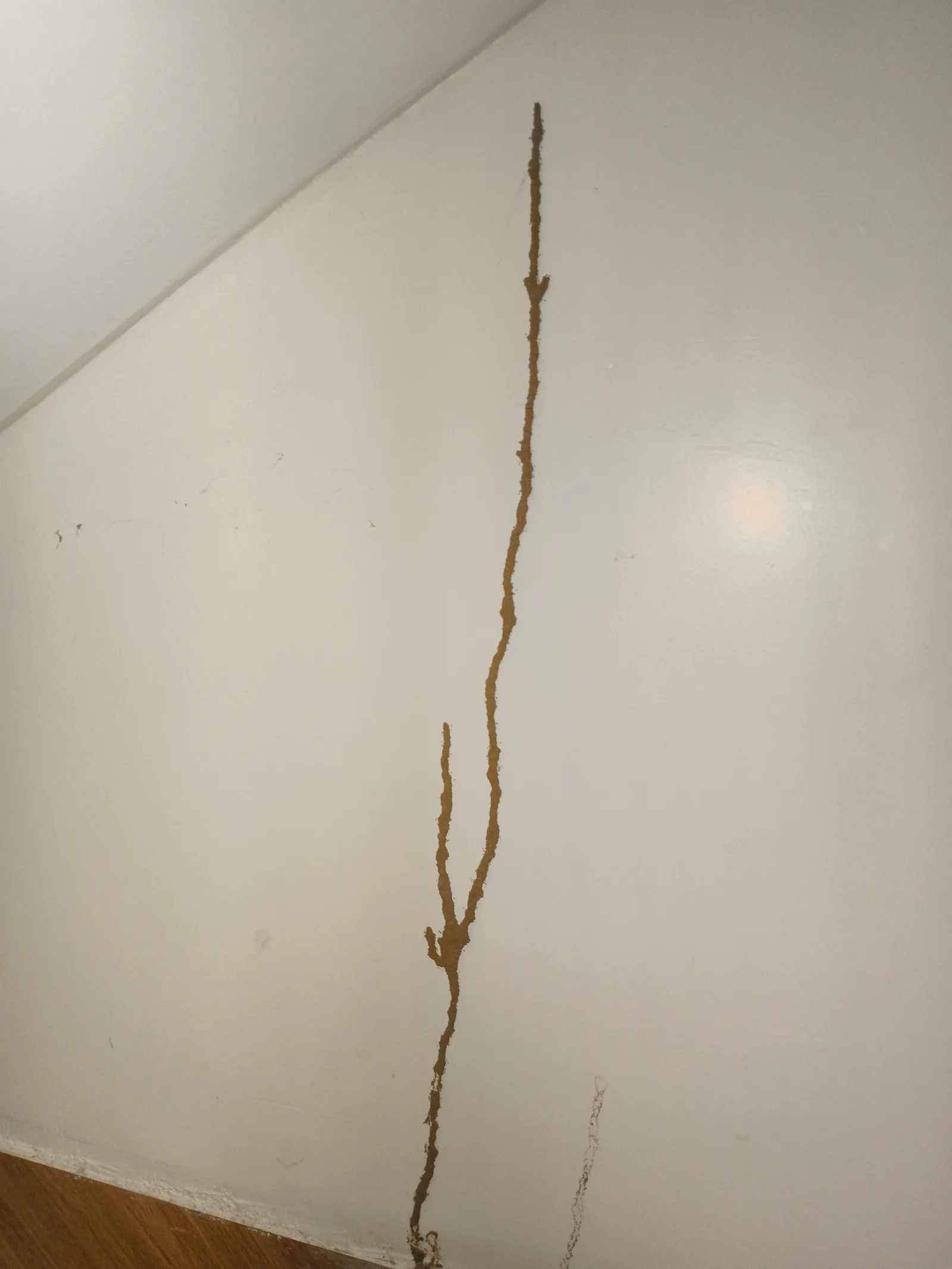
Effectiveness depends on correct design, installation, intact connections, continued access and appropriate future service. A pipe network does not correct leaks, poor drainage, soil-to-wood contact or untreated construction changes. It also cannot guarantee that termites will never be found elsewhere in the building. Periodic observation and appropriate inspection remain important. If termites appear, do not assume that recharging alone is sufficient; the technician should investigate the activity and consider the affected structure, visible entry routes and any separate post-construction treatment needed.
Comparing Termite Piping, Pre-Construction Soil Spray & Post-Construction Drilling
Soil treatment addresses specified interfaces while exposed; piping adds planned future access, while completed buildings may need post-construction control. Compare scope, access and maintenance terms with the site provider.
How three termite approaches differ in timing and access
| Option | Construction timing | Future access | Practical consideration |
|---|---|---|---|
| Termite piping system | Pipe layout is installed while foundation and plinth work are accessible | Planned ports can support later professional recharge if accessible and intact | Requires design coordination, port protection and confirmed recharge terms |
| Pre-construction soil treatment | Treatment is applied to specified exposed soil interfaces in stages | No dedicated recharge ports unless a separate network is installed | Must be timed carefully before foundations, fills and floors are covered |
| Post-construction termite control | Used after the building is complete or signs need investigation | Access depends on finishes and the assessed treatment method | An inspection determines the suitable approach for an existing structure |
Coordinating Pipe Layout with Plumbing, Electrical Conduits & Flooring
Share the proposed layout with the architect, builder and site engineer before pipes are installed. Confirm how it interacts with drainage, electrical conduits, water lines, expansion joints, landscaping and later paving. The network should not obstruct repairs or compromise access to other services. Agree who is responsible for checking the installation, protecting ports during construction and recording their final positions for the property owner.
Treatment products and quantities are determined by the service professional after assessing the project; this page does not recommend a chemical or dosage. Follow the product label and the technician's site instructions. Restrict access to active application areas and keep children, pets and unauthorised workers away for the stated period. Prevent spills or runoff and observe storage and disposal directions. If work or weather disturbs the relevant soil zone, ask for reassessment before concealing it.
As-Built Layout Drawings, Warranty Terms & Planning a Recharge Schedule
At handover, ask for the layout or an as-installed record that identifies port locations and any changes made on site. Confirm who may service the network, how ports should be protected and what warning signs or access issues should trigger an inspection. Verify whether the company provides an installation certificate or record and what it covers. Do not describe an installation certificate as a regulatory approval unless that is specifically true and documented.
A written termite warranty of up to 10 years may be available, subject to written contract terms. Confirm in writing whether a piping installation, initial charge, future recharge and any treatment warranty are included, and state the exact conditions for the proposed project. A warranty is not a lifetime guarantee, and coverage can differ between the pipe installation and a treatment service.
Termite Piping System Cost per Sq. Ft. & Quotation Factors in Rajasthan
A termite piping system cost cannot be estimated accurately from floor area alone. Relevant factors include built-up area, plinth length, foundation shape, number of floors, number and placement of access ports, route complexity, site condition and how much installation can be coordinated with other trades. A design with several separate blocks or basement levels may need separate planning. Share drawings and the construction schedule so the quotation reflects the actual arrangement.
Ask the quote to separate installation, initial treatment and later service. Confirm how damaged ports or layout changes affect access and fees.
Options If Flooring Is Already Laid or Active Termites Are Present
A termite piping system is mainly a construction-stage installation. Installing a full network after floors, paving and foundation edges are complete may require invasive work and may not recreate the intended design. If you own an existing building without ports, arrange an inspection rather than assuming a piping retrofit is suitable. The inspection can consider mud tubes, damaged timber, moisture, entry routes and the parts of the property that can be accessed.
For a property with termite signs, an inspection-led post-construction plan may be appropriate. Ask which areas need work, how access will be arranged and what aftercare instructions apply.
How We Plan, Pressure-Test and Commission Your Termite Piping Network
The steps below outline a service discussion. The actual sequence and treatment are confirmed for the inspected property and the approved scope.
- 01
Coordinate the design
Review foundation drawings, services, landscaping and future access with the builder and architect.
Illustrative placeholder image; replace with a verified service photograph. - 02
Plan pipe routes and ports
Select an appropriate layout for the project and keep access points in locations that can remain reachable.
- 03
Install and inspect
Place the system to its design, protect connections and verify access before construction conceals the route.
- 04
Initial charge and handover
If included, apply the planned initial treatment and record port locations and service instructions.
- 05
Inspect before recharge
Check system access and condition; recharge only when appropriate and under confirmed service terms.
Understanding How Piping, Soil Barriers & Wood Treatments Work Together
A termite piping system is an installed route for possible later treatment recharge; it is not the same thing as a termite bait station. Baiting may be considered separately when the inspection and property conditions support it. Ask the provider to explain what system is proposed, where it will be located and how it differs from soil treatment or a baiting approach before comparing quotations. Do not assume that installing pipework means a bait is present or that treatment is automatically required at each port.
Integrated Pest Management (IPM) for a building project can combine assessment, suitable construction-stage measures, attention to moisture and access conditions, and clear handover information. The best mix depends on the design and site; the piping system is one possible component, not a complete answer for every structure. Builder, architect and owner should confirm responsibilities for keeping ports accessible and protecting them from obstruction during later work.
Ongoing monitoring should be agreed around the installed system’s condition and the evidence found at the property. A check can confirm whether ports remain accessible and whether any signs need a separate inspection, but it does not mean that every system needs immediate recharge. The provider and owner should document the system-specific service terms and any recommended next step rather than assume a universal inspection or recharge interval.
Keep the handover information with the building documents so a future facilities contact can locate ports and understand the intended scope. If the property is already complete or the system is inaccessible, request a separate assessment rather than opening or altering it. For related choices, read about termite control for existing buildings, pre-construction termite treatment and industrial-site pest planning.
Questions about termite piping systems
Is a piping system the same as termite baiting?
No. Piping provides planned access for possible treatment recharge; baiting is a separate approach that must be assessed on its own.
Does every accessible port need an immediate recharge?
No. Any inspection or recharge should follow the system-specific assessment and confirmed service terms.
Homeowners, Architects, Builders & Hospitality Projects We Serve
We discuss service scope with owners, residents, builders and commercial site contacts according to the pest concern and property access.
- Factory and industrial pest control across Rajasthan
- Office and commercial building pest control across Rajasthan
- Resort, farmhouse and wedding venue pest control across Rajasthan
- Pest control service locations across Rajasthan
- Pest control services in Jaipur
- Pest control services in Ajmer
- Pest control services in Kota
Cities & Construction Belts We Serve Across Rajasthan
Super Pest Control Services serves customers across Rajasthan. View the Rajasthan pest control service locations and district pages for local coverage, or ask us to confirm availability for your property.
राजस्थान में नई इमारतों के लिए दीमक पाइपिंग सिस्टम (Termite Piping System)
दीमक पाइपिंग सिस्टम में निर्माण के दौरान पाइप और पहुँच के पोर्ट लगाए जाते हैं, ताकि जरूरत पड़ने पर विशेषज्ञ चुने हुए हिस्सों तक उपचार पहुँचा सकें।
पोर्ट खुले और सुरक्षित रहें, इसके लिए भवन के नक्शे और निर्माण टीम के साथ समन्वय जरूरी है। रिचार्ज का समय और वारंटी लिखित रूप से पुष्टि करें।
Frequently Asked Questions About Termite Reticulation Piping Systems
What is a termite piping system?
It is a construction-stage network with planned access ports for possible later treatment recharge at selected zones.
Is a piping system the same as soil treatment?
No. Soil treatment is applied at accessible construction stages; piping is a designed route intended to provide future recharge access.
Can a termite pipe system be installed in an existing building?
It is mainly a construction-stage solution. For an existing property, request an inspection for post-construction options.
How often does a piping system need recharge?
The business must confirm its system-specific recharge interval and terms; a fixed schedule should not be assumed.
Does the system guarantee lifelong termite protection?
No. Outcomes depend on design, installation, condition, access and maintenance; no lifetime protection is guaranteed.
What affects termite piping system cost?
Built-up area, plinth layout, foundation design, floors, route complexity, port count and site coordination can affect the quote.
Will I receive a system certificate or warranty?
Ask the business to confirm which installation records and warranty terms apply to the project in writing.
दीमक पाइपिंग सिस्टम कब लगाया जाता है?
इसे आम तौर पर निर्माण के समय नींव और प्लिंथ के काम के साथ लगाया जाता है। डिजाइन और पोर्ट की जगह पहले तय करनी चाहिए।
क्या पाइपिंग सिस्टम से दीमक की समस्या पूरी तरह खत्म होने की गारंटी है?
नहीं। सही स्थापना, रखरखाव और निरीक्षण जरूरी हैं; परिणाम की गारंटी नहीं दी जाती।
Book a Construction-Site Consultation for Termite Piping Installation
Tell us the property type, location, visible signs or construction stage. The team can discuss inspection, scope, access and a quotation.
Call +91 98280 66990Call +91 79765 72984WhatsApp Super Pest Control ServicesRequest a service assessmentLast updated: 2026-10-10