Pre-Construction Anti-Termite Soil Treatment Services in Rajasthan
Pre-construction anti-termite treatment is a soil-treatment service planned while a building site is still accessible. The goal is to create a treated zone at relevant soil and foundation interfaces before construction closes them off. For a new home, commercial building or industrial project, Super Pest Control Services serves clients across Rajasthan and coordinates scope with the site contact. Treatment stages, product choice and application details depend on the design, current site condition and applicable product directions.
How Pre-Construction Soil Treatment Creates an Unbroken Termite Barrier
Subterranean termites can reach a structure from the soil through small concealed paths. Pre-construction anti-termite treatment is carried out during building work, while selected soil and foundation interfaces can still be accessed. A suitable treatment plan aims to establish a treated zone at those interfaces so termites are less likely to pass from soil into the structure. It is preventive work, not a promise that termites can never enter or that construction defects will be corrected.
The construction phase matters because the foundation, plinth and floor layers are exposed at different times. Once concrete, finishes and landscaping are in place, access to some locations becomes limited and treatment of an existing building may involve drilling or other intrusive methods. Planning early allows the owner, builder and treatment provider to coordinate sequencing. It does not mean applying product everywhere; the scope should match the building design, soil conditions, approved directions and the areas actually available for treatment.
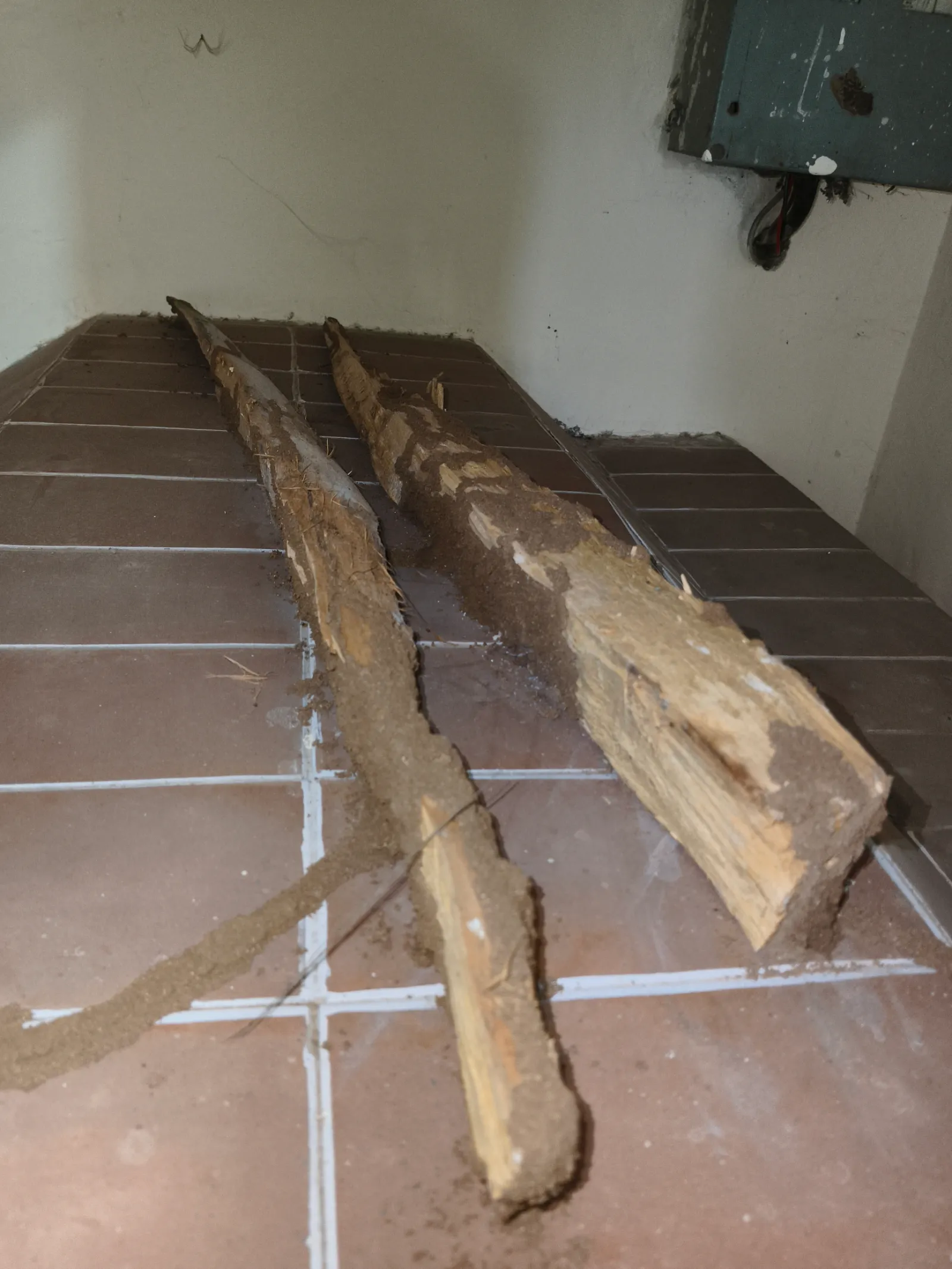
Builders, Architects, Homeowners & Project Teams Who Need Soil Treatment
Homeowners who are about to build can discuss treatment with their architect or contractor before foundation work begins. Builders and developers may need a repeatable way to schedule site access, communicate responsibilities and keep a record for each project. Architects and site engineers can help identify foundation details, service entries, expansion joints and sequencing constraints that affect access. The owner should nominate a person who can approve the work and receive preparation and safety instructions.
Commercial and institutional sites may have multiple buildings, basements or phased handovers. Identify the project areas and nominate a site contact who can coordinate access and approve the work.
Key Application Stages: Foundation Pits, Backfill, Plinth & Floor Slab
The exact sequence must be agreed with the builder because each treated interface can be covered or altered by the next construction activity. Foundation trenches and pits may be accessible at an early stage. Treatment of soil associated with plinth or basement filling, areas beneath floors, and the junction between walls and floors is considered as the structure progresses. Relevant service-pipe penetrations, conduits and expansion joints need attention because these can create routes if gaps are left untreated or later opened.
Accessible soil beside the structure may also be reviewed during backfilling. Protect treated areas from rain, excavation and traffic as directed, and record any stage that was inaccessible or changed.
Coordinating Chemical Applications with Civil Contractors & Site Engineers
Share the construction programme early enough to identify when each soil surface or junction will be available. The builder should notify the treatment team before covering foundation trenches, placing floor layers or completing backfill. Confirm who will provide safe site access, water or other site facilities if required, and who can stop work temporarily to keep people away from the treatment zone. The technician should state which surfaces need to be ready and whether any construction preparation is required before arrival.
Rain, standing water or excavation may make a stage unsuitable. Coordinate timing with the site engineer, protect treated soil from disturbance and request reassessment before covering any changed area.
BIS-Aligned Termiticide Dilution, Application Rates & Site Safety
The method and product depend on the construction stage, design, soil and label. A technician determines the application after inspection; no brand, dilution or universal quantity should be inferred from generic advice.
Construction workers, subcontractors and visitors need to be told which areas are being treated and what temporary access controls apply. Keep unprotected people away from active work, safeguard stored materials and prevent runoff into drains or water features as directed by the product label and technician. Follow handling, protective equipment, storage, spill and re-entry instructions. If a treated zone is disturbed, report it before it is covered; do not assume it remains intact or apply additional product without direction.
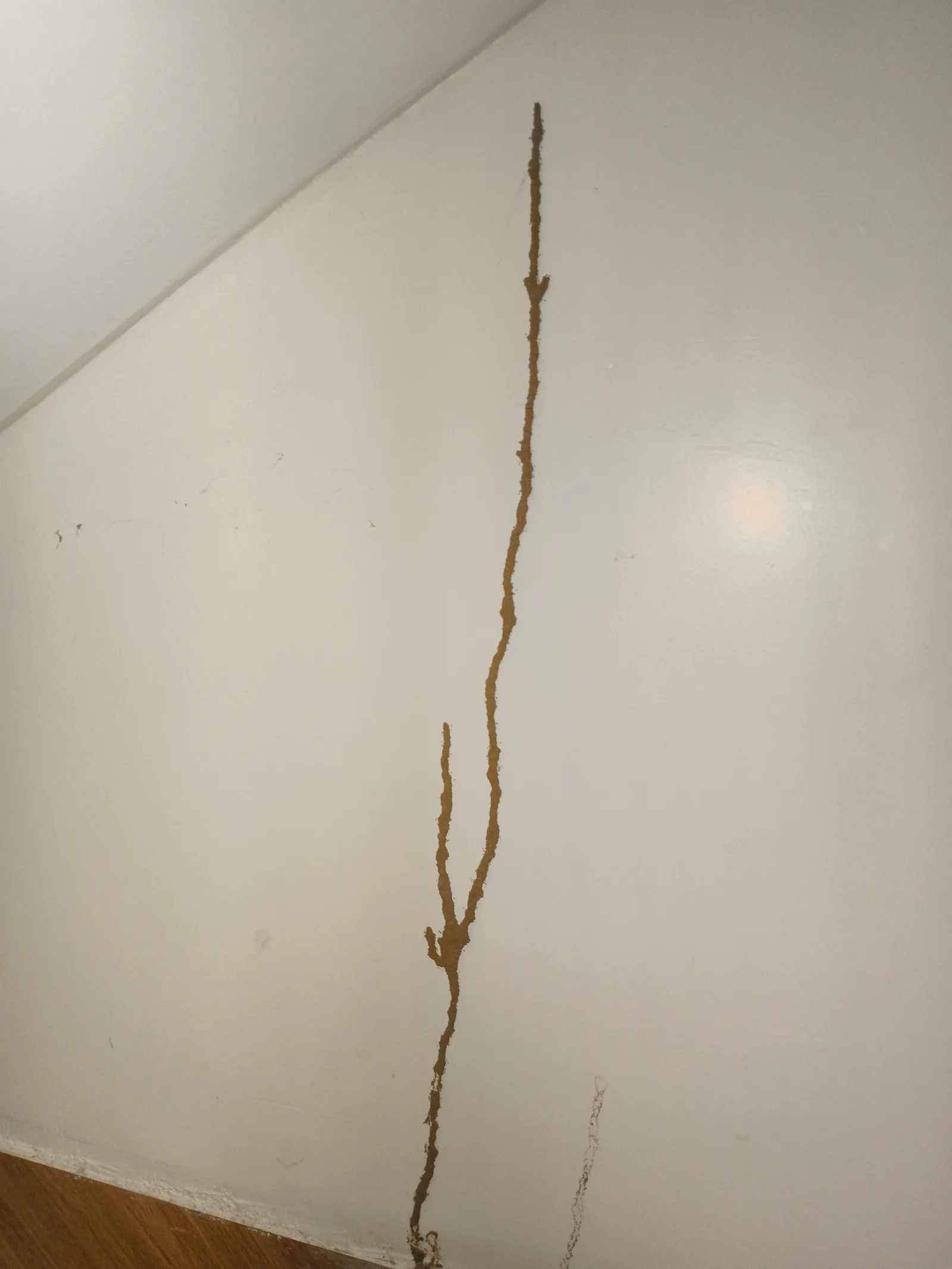
Treatment Logs, IS 6313 Compliance & Multi-Year Warranty Certificates
IS 6313 Parts 1 to 3 are relevant Indian Standards for anti-termite measures in buildings, but this site audit did not verify that the service is delivered to those standards on every project. The business must confirm compliance and applicable scope before making any claim. Until confirmed, do not present a quotation or page as certified or compliant with a standard. Ask the provider and project engineer to confirm which requirements apply to the particular building and work specification.
A customer should ask what record will be supplied after each stage: for example, the treated area, date, service scope and any product information that the business actually provides. Confirm whether a treatment certificate or completion record is supplied and what it contains. A written termite warranty of up to 10 years may be available; confirm the scope, conditions and duration in the written contract for the proposed work. Do not infer that a certificate, warranty or standard endorsement automatically applies to every construction site.
Comparing Soil Treatment, Reticulation Piping & Post-Construction Drilling
These approaches are related but solve different access and timing problems. Pre-construction soil treatment is planned around accessible construction stages. A termite piping system adds a built-in route for later recharge where that system is designed and installed. Post-construction termite control addresses an existing building after the original soil interfaces have been covered. A site assessment determines whether any of these options fits the structure and its current condition.
The comparison is qualitative, not a price list. Cost level varies with project size, layout, access and scope; ask for a quotation based on the actual drawings and site. A recharge pipe network does not remove the need for correctly prepared interfaces or make a structure permanently protected. For an existing building, see <a href="/services/termite-control/">post-construction termite control for existing buildings</a> and ask whether drilling or another method is appropriate.
Qualitative comparison of termite measures by project timing and access
| Approach | When considered | Access and recharge | Typical planning focus |
|---|---|---|---|
| Pre-construction soil treatment | During foundation, plinth and floor construction | Accessible soil interfaces are treated at planned stages; later access is limited | Builders, owners and project teams coordinating construction sequence |
| Termite piping system | Designed and installed while construction is open | Provides planned ports for later recharge if correctly installed and maintained | Owners who want recharge access planned into a new build |
| Post-construction termite control | After a building is completed or termite signs appear | Existing finishes may limit access; method follows inspection | Owners or managers of existing buildings |
Common Civil Site Mistakes That Break the Chemical Termite Barrier
A common coordination problem is asking for work only after foundations and floors are closed. Late treatment may have fewer accessible interfaces and can require a different method. Another risk is allowing treated soil to be excavated, washed away, mixed with untreated fill or compacted through unplanned activity before the next stage. A site supervisor should know where treatment has occurred and how to protect it so construction sequencing does not inadvertently bypass the intended treated zone.
Heavy rain, standing water or excavation can affect timing. Ask the site engineer and provider to reschedule if conditions are unsuitable, and protect treated soil before subsequent construction proceeds.
How Pre-Construction Termite Treatment Cost Is Calculated per Sq. Ft.
There is no reliable universal anti-termite treatment per-square-foot figure for every project. A quotation can depend on plot and built-up area, number of floors, basement or plinth design, foundation type, site access, soil condition and which construction stages need service. The project programme may also affect mobilisation and whether work is delivered in one visit or across several stage-based visits. Provide current drawings and the likely construction dates when requesting an estimate.
A useful proposal should describe the included stages and interfaces, exclusions or inaccessible locations, site preparation, safety and protection instructions, record or certificate availability, any warranty terms, and payment conditions. Confirm whether a revisit caused by construction changes is included or quoted separately. Ask for the final quote after site review rather than relying on a generic rate. If work is urgent, tell the provider what will be covered next and whether the site is ready so the team can explain if the timing is practical.
What to Do If Plinth or Flooring Stages Are Already Completed
Once a stage is complete, follow the agreed protection and access instructions and keep a site record of subsequent excavation or utility work. If earth is removed or a treated surface is disturbed, notify the service provider and have the affected zone assessed before concealing it. Continue sensible building maintenance: repair leaks, keep drainage functioning and avoid leaving untreated timber or debris in contact with the structure. These steps support the intended work but do not guarantee that termites will never appear.
For a completed property, request an inspection for post-construction termite control. A piping network is a separate construction-stage design choice; timing and access determine which option is practical.
Step-by-Step Workflow for Scheduling Site-Stage Visits
The steps below outline a service discussion. The actual sequence and treatment are confirmed for the inspected property and the approved scope.
- 01
Review drawings and timing
Discuss foundation layout, site access, construction stages and the person coordinating treatment.
- 02
Inspect the available stage
Confirm soil, trenches, backfill or junctions that are ready and identify any access constraints.
- 03
Agree stage scope
Record the interfaces to be treated, preparation, product-label requirements and exclusion areas.
Illustrative placeholder image; replace with a verified service photograph. - 04
Apply and protect
Carry out the agreed work and protect treated soil from disturbance before covering or backfilling.
- 05
Record and coordinate next work
Review completed stages, note changes and arrange later stages or a final inspection as agreed.
Residential, Commercial & Industrial Projects We Serve
We discuss service scope with owners, residents, builders and commercial site contacts according to the pest concern and property access.
Rajasthan Cities & Construction Corridors We Cover
Super Pest Control Services serves customers across Rajasthan. View the Rajasthan pest control service locations and district pages for local coverage, or ask us to confirm availability for your property.
राजस्थान में निर्माण से पहले दीमक उपचार (Pre-Construction Termite Control)
निर्माण के दौरान नींव और मिट्टी के कुछ हिस्से खुले रहते हैं, इसलिए उपचार का समय साइट के काम के साथ मिलाना जरूरी है। कौन से चरण शामिल होंगे, यह नक्शे और निरीक्षण के आधार पर तय होता है।
उपचार के बाद मिट्टी को अनावश्यक खुदाई और पानी से बचाने के निर्देश लें। मानक, दस्तावेज़ और वारंटी के दावे व्यवसाय से लिखित पुष्टि के बाद ही करें।
Frequently Asked Questions About Pre-Construction Anti-Termite Treatment
When should pre-construction anti-termite treatment be planned?
Discuss it before foundation and soil interfaces are covered so the stages can be coordinated with the builder.
Can treatment be done after construction is complete?
A technician can assess post-construction termite control, but the original construction-stage soil treatment is no longer accessible in the same way.
Is anti-termite treatment charged per square foot?
Pricing depends on the site, design, stages and scope. Request a quotation after the project details and site are reviewed.
Does Super Pest follow IS 6313?
The business must confirm the applicable standard and project scope before any compliance claim is made.
Will I receive a treatment certificate?
Ask the business to confirm which treatment records or certificates are provided for the specific project.
What happens if treated soil is disturbed?
Notify the provider and site engineer before covering it; the affected area may need inspection and an agreed corrective plan.
Does this service include a warranty?
A written termite warranty of up to 10 years may be available; confirm the scope, conditions and duration in the written contract.
निर्माण से पहले दीमक उपचार कब कराना चाहिए?
नींव और मिट्टी के हिस्से ढकने से पहले साइट इंजीनियर और सेवा टीम के साथ समय तय करें। चरण निर्माण क्रम के अनुसार तय होते हैं।
क्या निर्माण के बाद यही उपचार संभव है?
पूरी बनी इमारत में निरीक्षण के बाद अलग पोस्ट-कंस्ट्रक्शन विकल्प देखे जाते हैं।
Protecting Wooden Frames & Joinery After Structural Completion
Pre-construction soil treatment is one part of a wider Integrated Pest Management (IPM) approach, not a substitute for sound construction details or later care. The owner, builder and service provider can agree how the treated interfaces will be protected while work continues, who will report changes, and what signs should prompt a fresh assessment. Where drains, utility entries or landscaping are altered, tell the site contact before a vulnerable area is covered or access is lost.
After handover, monitoring can be simple and property-specific: note visible mud tubes, damaged wood, discarded wings or fresh moisture near the building, and pass observations to the person responsible for maintenance. These checks do not confirm a colony or replace a technician’s inspection. Keep a record of the location and date of a concern so the service team can compare it with the agreed scope and advise whether further review is appropriate.
Some owners ask about an Annual Maintenance Contract (AMC) or scheduled follow-up. Confirm in writing whether visits are offered, which structures and areas are included, how observations are reported, and what would trigger a separate quotation. A maintenance arrangement should not be assumed to extend a construction-stage warranty or to cover later alterations. If excavation, plumbing work or other changes disturb a treated zone, seek guidance before concealing it again.
For existing structures, the suitable approach may differ from work planned while soil is exposed. Read about post-construction termite control and inspection, compare the access considerations of a termite piping system, or use the service assessment form to describe the project stage and site contact.
Does an IPM plan end when the construction treatment is complete?
No. The treated interfaces still need protection from disturbance, and any later signs or changes should be reviewed under the owner’s maintenance process.
Can an AMC be assumed as part of pre-construction work?
No. Ask the provider to state separately whether follow-up visits are available and what the written scope includes.
Request a Site Measurement & Pre-Construction Termite Quote
Tell us the property type, location, visible signs or construction stage. The team can discuss inspection, scope, access and a quotation.
Call +91 98280 66990Call +91 79765 72984WhatsApp Super Pest Control ServicesRequest a service assessmentLast updated: 2026-10-10