Hospital, Clinic and Healthcare Pest Control in Rajasthan
Serving hospital and clinic premises across Rajasthan with inspection-led pest-management discussions.
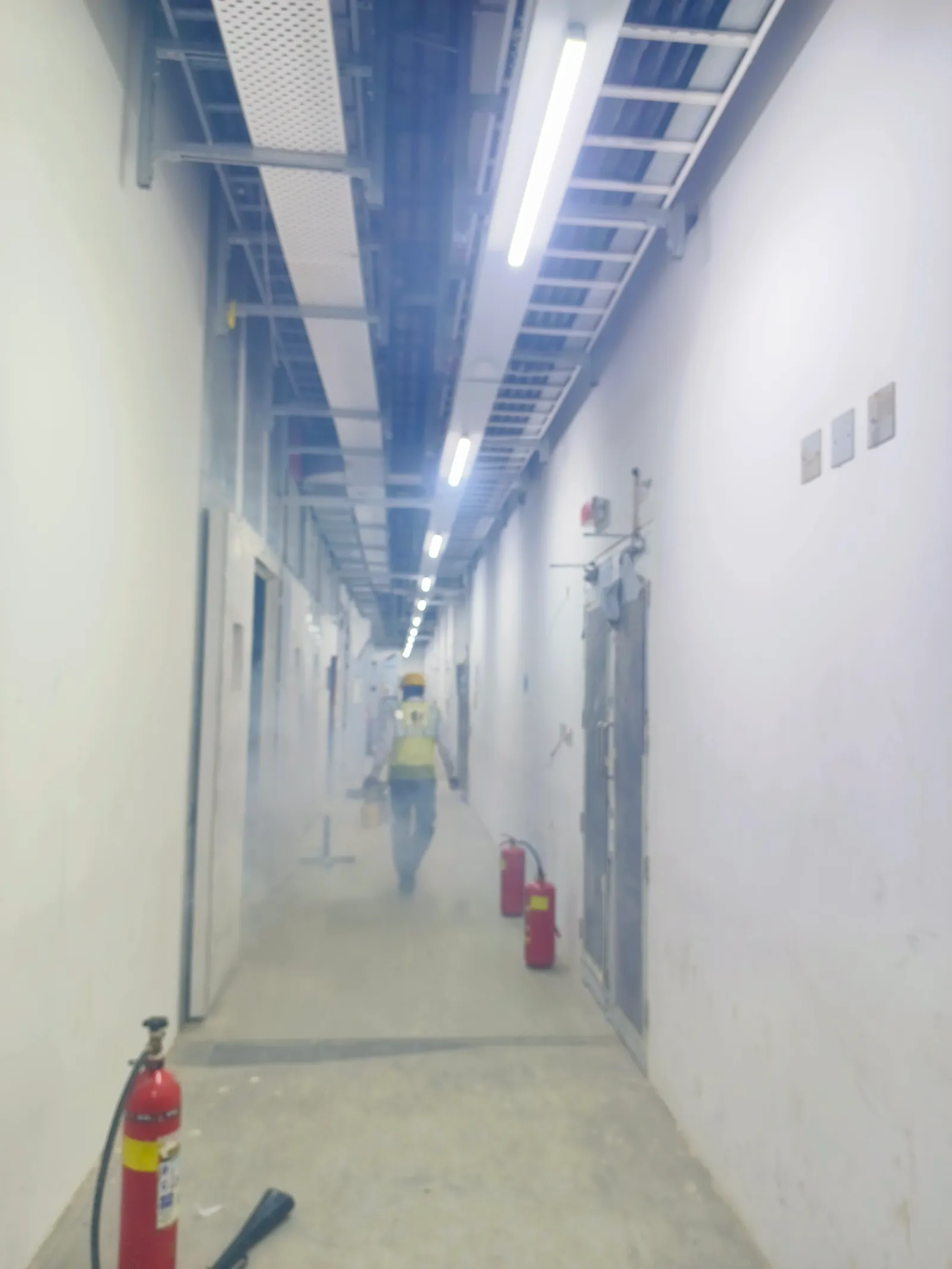
Hospitals, Clinics, Nursing Homes & Diagnostic Labs We Protect
Hospitals and clinics contain different kinds of rooms, from reception and storage to clinical and staff areas. Super Pest Control Services serves healthcare premises across Rajasthan. Tell the team which parts of the facility are affected, what pest signs were observed and which spaces have restricted access or operating requirements.
Key Pest & Vector Risks in Wards, ICUs, Pantries & Biomedical Zones
Cockroaches or flies may be reported around drains, waste holding points, food areas or service penetrations. Rodent activity may be noticed in stores or along building edges. A pest sighting in a clinical environment should be reported to the person responsible for facilities, who can coordinate the inspection and disclose relevant site restrictions. A report alone does not establish the source or indicate that every room needs treatment.
Access Protocols for Occupied Patient Wards and Sterile Areas
Healthcare facilities may have occupied rooms, appointment flows, cleaning procedures and spaces where access must be coordinated with staff. Identify a facility contact who can determine which rooms are available and how affected spaces can be isolated if required. The service plan should be discussed around the actual layout and access conditions; avoid promising that treatment can occur without interruption or that a particular area is suitable before assessment.
Department-Wise Coordination with Hospital Infection Control Teams
For a clinic, a facilities contact can coordinate with the person responsible for each affected room and communicate access limits before a visit. Distinguish a reception, staff or storage report from a report in a treatment room; the service team needs the actual location and its access conditions. Do not interrupt patient care to make a room available. If the room is in use, agree a separate inspection window and follow the facility's internal access arrangements.
Clinical Site Inspection & Odorless Gel/Bait Treatment Planning
Before a visit, describe the affected location, any nearby waste, drainage or storage, and whether patients or staff will be present. The technician can discuss which areas can be inspected and what information is needed to identify the pest. Disclose site-specific sensitivities or restrictions before treatment is agreed. Any precautions or re-entry instructions should be specific to the selected service and communicated to the facility contact.
The technician can explain the proposed scope, preparation, any access restriction and the instructions that apply after the selected service. The team should confirm those details before work is agreed; they are not identical for every property or pest.
Flexible Treatment Scheduling Around OPD and Patient Care Hours
Plan access with the facility contact and consider appointments, cleaning and room use. If a room cannot be made available, or if patient care takes priority, identify that constraint early so the proposed work can be reviewed. Follow the service-specific instructions for people entering or cleaning treated areas. No particular chemical, low-toxicity claim or clinical compliance outcome is assumed by this page.
Where a treatment cannot be coordinated safely with the operating schedule, discuss a different access window before confirming the appointment. A timing request is not a promise of a particular slot or uninterrupted operations.
Sanitation Alignment, Drain Proofing & Preventive Follow-Through
Facilities can record sightings, locations and dates, keep waste arrangements orderly and report maintenance issues such as leaks or gaps to the responsible team. These operational steps can help identify patterns but do not replace an inspection. Confirm who will receive the treatment instructions and share only the precautions applicable to the areas and service being considered.
After a visit, use the service-specific aftercare instructions and tell the provider if activity continues. Monitoring and a follow-up visit should be confirmed for the selected service rather than assumed from a general industry description.
Patient, Infant, Staff & Sensitive-Zone Chemical Safety Standards
Before treatment, disclose who uses the affected area, whether children or pets may be present, and any relevant site sensitivities. Protect food, equipment, personal belongings or stored goods as instructed for the chosen treatment. Keep people away from treated areas for the period specified by the service team and follow its re-entry, ventilation and cleaning guidance. There is no single safety procedure that applies to every pest or product.
NABH-Ready Pest Control Logs, AMC Schedules & Compliance Records
Businesses can ask about Commercial AMC (IPM) for Rajasthan premises. The existing service describes planned visits, monitoring and records. Ask which pests, locations, response arrangements and documents are included in the proposed written scope. Contract terms and follow-up depend on the agreed service and should be confirmed in writing.
Targeted Odorless Cockroach & Ant Control Around Clinical Spaces
In a hospital or clinic, the location of cockroach activity matters as much as the report itself. A pantry, staff break area, waste room and clinical room do not have identical access or preparation needs. If a technician confirms cockroach activity, ask whether a gel-bait approach is suitable for the affected zone. Placement must follow the product label and the service plan, and should avoid surfaces or locations where patients, staff, food or medical equipment could contact it.
An insect growth regulator (IGR) may be considered as one part of a broader cockroach plan, subject to the product label and the technician’s assessment. It is not an instant substitute for addressing active adult insects, cleaning conditions or access points. The facility should receive clear instructions about the selected method, restricted locations and any aftercare before work is agreed. Do not apply or relocate products independently.
Where a healthcare facility provides meals, its food-safety team can discuss how pest-control responsibilities fit its HACCP documentation and internal controls. A provider may help describe the pest-management scope and the information it can supply; the operator remains responsible for approving food-safety procedures and determining how they apply to the facility. Keep clinical operations, food preparation and service access coordinated rather than assuming that one plan covers every department.
For food-handling areas, ask whether the proposed pest-control programme supports the facility’s own FSSAI-related food-safety process and what evidence is included in the agreed service. This is not a claim of regulatory approval or a guarantee of compliance. Licensing decisions belong to the relevant authority, and any formal certification is issued by an accredited certification body. Related information is available for cockroach control options, fly management and commercial pest-service planning.
Questions about options in clinical spaces
Can gel bait be used in any hospital room?
No. The technician and facility contact should confirm suitability, placement, access restrictions and label-based precautions for the specific room.
Does an IGR immediately remove adult cockroaches?
No. An IGR is not an instant knockdown method; a technician can explain whether it belongs in a broader, site-specific plan.
Related Healthcare Disinfection, Vector & Rodent Services
Depending on the assessment, these existing services may be relevant:
Major Cities & Healthcare Hubs We Serve Across Rajasthan
Explore district coverage and the approved customer-type pages. City-specific service pages describe the verified service area and link back to this customer overview.
राजस्थान में हॉस्पिटल और क्लिनिक पेस्ट कंट्रोल सेवाएं (Hospital Pest Control)
सेवा का सही तरीका परिसर और कीट की स्थिति देखकर तय किया जाता है। निरीक्षण से पहले प्रभावित जगह, गतिविधि का समय और परिसर के कामकाज की जानकारी साझा करें।
प्रश्न: उपचार से पहले सुरक्षा निर्देश कैसे जानें? चुनी गई सेवा और परिसर के लिए टीम से स्पष्ट निर्देश लें।
Frequently Asked Questions About Hospital & Clinic Pest Control
How should a clinic report pest activity?
Identify the room or facility area, observed signs and access restrictions, then nominate a contact for the inspection discussion.
Can treatment be done while patients are present?
That depends on the treatment and space. Agree access and safety precautions with the facility contact before scheduling.
Can a pest report be treated as a confirmed identification?
No. The technician must assess available signs before recommending a service.
What if a clinical area cannot be accessed?
Tell the team before the visit so the inspection and proposed scope can account for the restriction.
Are service records provided?
Confirm the reporting and documentation included in the specific service or written contract.
Can a clinic request planned pest management?
Ask about Commercial AMC (IPM) and review the site-specific schedule and included work.
Request a Healthcare Facility Pest Assessment Today
Share the property type, reported pest signs, affected area and access requirements with Super Pest Control Services.
Contact Super Pest Control ServicesCall +91 98280-66990